-
 Palazzo Valmarana Braga Rosa
Designed by Andrea Palladio in the 1560s, this elegant palace was built for noblewoman Isabella Nogarola Valmarana. Although the palazzo suffered significant damage from Allied bombings in WWII, the facade remained intact, complete with original plasterwork.
Palazzo Valmarana Braga Rosa
Designed by Andrea Palladio in the 1560s, this elegant palace was built for noblewoman Isabella Nogarola Valmarana. Although the palazzo suffered significant damage from Allied bombings in WWII, the facade remained intact, complete with original plasterwork.
-
Criptoportico
This 128m tunnel is where Caligula was thought to have been murdered, and which Nero later used to connect his Domus Aurea with the Palatino. Lit by a series of windows, it was once decorated by elaborate stucco. Nowadays its used to stage temporary exhibitions.
-
Foro di Nerva
Although named after the emperor Nerva, who opened it in the late 1st century AD, this forum was largely built by his predeccesor Domitian. Part of a temple dedicated to Minerva still stands, but much of the forum lies buried beneath Via dei Fori Imperiali.
-
Castello di Lerici
For outstanding views make your way on foot or by public lift to Lericis symbolic 12th-century castle, once taken by the Pisans but today given over to a rather bizarre collection of dinosaurs in its Museo Geopaleontologico (fossils have been found near here).
-
Centro per lArte Diego Martelli
This gallery reflects on the life and times of the influential patron of the arts Diego Martelli (especially the 1860s) and showcases the work of local painters, filmmakers, writers, actors and dancers whove shaped the towns culture up until the present day.
-
Cattedrale di San Basso
From Castello Svevo , follow the road up and you come to Piazza Duomo and Termoli’s majestic 12th-century Cattedrale di San Basso . A masterpiece of Puglian-Romanesque architecture, the cream-coloured facade features a striking round-arched central portal.
-
Torre Troyana o DellOrologio
During the late 13th century the region became one of Italys wealthiest, with 150-odd towers springing up in Asti alone. Of the 12 that remain, only this one can be climbed. Troyana is a 38m-tall tower that dates from the 12th century. The clock was added in 1420.
-
Schola Italiana
As you enter Campo del Ghetto Nuovo, look up: atop private apartments is the wooden cupola of the 1575 Schola Italiana (Italian Synagogue). The Italians were the poorest in the Ghetto, and their synagogue is starkly beautiful, with elegantly carved woodwork.
-
Rostrum
An elaborate podium overlooking what was the Roman Forums main square, Piazza del Foro, this is where Shakespeare had Mark Antony make his famous Friends, Romans, countrymen… monologue, and where politicians would stand to pontificate to the crowds below.
-
Basilica di Santa Margherita
For an effective cardiovascular workout, hike up to this largely 19th-century church through Cortonas warren of steep cobbled lanes. Inside, the remains of St Margaret, patron saint of Cortona, lie in a in a 14th-century glass-sided tomb above the altar.
-
Basilica di San Giusto
Completed in 1400, this Ravennan-Byzantine hybrid is the synthesis of two earlier palaeo-Christian basilicas. The interior contains 13th-century frescoes and wonderfully preserved 12th- and 13th-century mosaics, including one of St Justus, the towns patron saint.
-
Acquario di Cala Gonone
Check out the local marine life before taking the plunge at this shiny new aquarium, designed by architects Peter Chermayeff and Sebastiano Gaias. The 25 tanks bubble with seahorses, jellyfish, rays and – moving into more tropical waters – clownfish and anemones.
-
Giardino del Lago
Designed and laid out in the late 18th century, this leafy area is centred on a small, romantic lake. The highlight, other than the serene atmosphere, is the Tempietto di Esculapio, a copy of a Roman temple sited on the lakes artificial islet.Boat hire i
-
Flos
From the playful modernism of Castiglioni’s Taraxacum (dandelion) to the postmodern play in Marcel Wanders’ Skygarden, Flos’ innovative offerings are always the high point of Milan’s lighting design fair, Euroluce. See for yourself at their Monforte showroom.
-
Monastero di Santa Scolastica
Subiacos Monastero di Santa Scolastica is the only one of the 13 monasteries built by St Benedict still standing in the Valley of the Amiene. Visitable by guided tour, it offers accommodation (per person B&B €37) and fixed-price meals for €19 and €23.
-
Museo Regionale di Scienze Naturali
Your average menagerie of stuffed animals (brown bears and so on) is on show at the Museo Regionale di Scienze Naturali , but what sets this natural science museum apart is its setting: a monumental 17th-century hospital with four inner courtyards and a chapel.
-
Museo Bocchi
Don’t underestimate Amedeo Bocchi, a 20th-century Parma-born artist whose painting owes a debt to the symbolism of Gustav Klimt. This museum spreads his stirring work over six rooms. Most compelling are the impressionistic studies of his beloved daughter Bianca.
-
Museo Bandini
Your ticket to the Area Archeologica also gives admission to the tiny Museo Bandini next door. The collection of early Tuscan Renaissance works inside includes fine medallions by Giovanni della Robbia (c 1505–20) and Taddeo Gaddi’s luminous Annunciation (1340–45).
-
Museo dArte Sacra
Works of medieval religious art from San Gimignanos key churches are on display in this modest museum. Particularly beautiful items made from precious metals include crafted chalices and thuribles (censers); there are also some exquisitely embroidered textiles.
-
le5venice
This new upstairs gallery showcases contemporary photography and painters such as Davide Battistin, whose Venetian nocturnes update Turner. Don’t miss the ground floor’s showcase of high-concept clothing designs, including coats printed with photorealistic rugs.
Total
3296 -travel
FirstPage PreviousPage NextPage LastPage CurrentPage:
76/165 20-travel/Page GoTo Page:
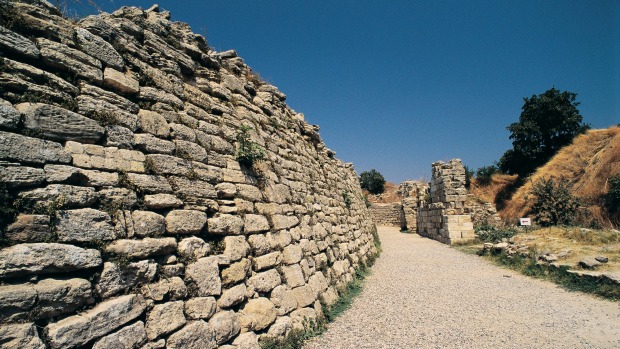 Turkey: Where to visit Troy, the ancient Greek city made for the Gods
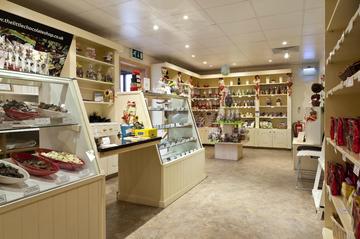 The Little Chocolate Shop
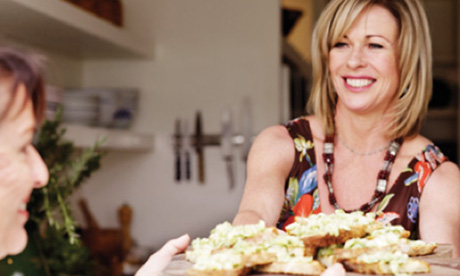 Annabel Langbein – Kiwi celebrity cook
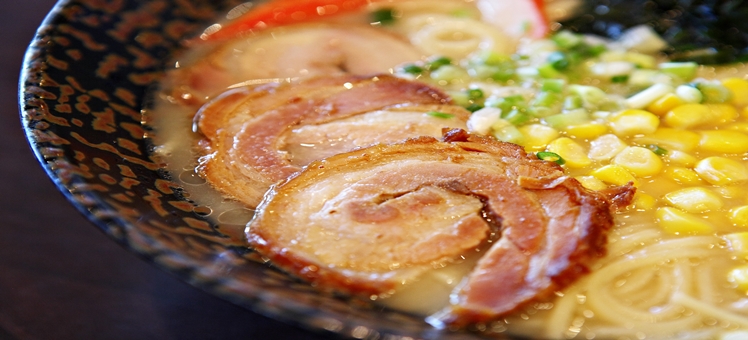 Where to eat in Tokyo - a guide to cafes, restaurants and everything in-between
 First-time river cruising on board Scenic Jasper: Eight things learnt on my first river cruise
 Downtown Willemstad